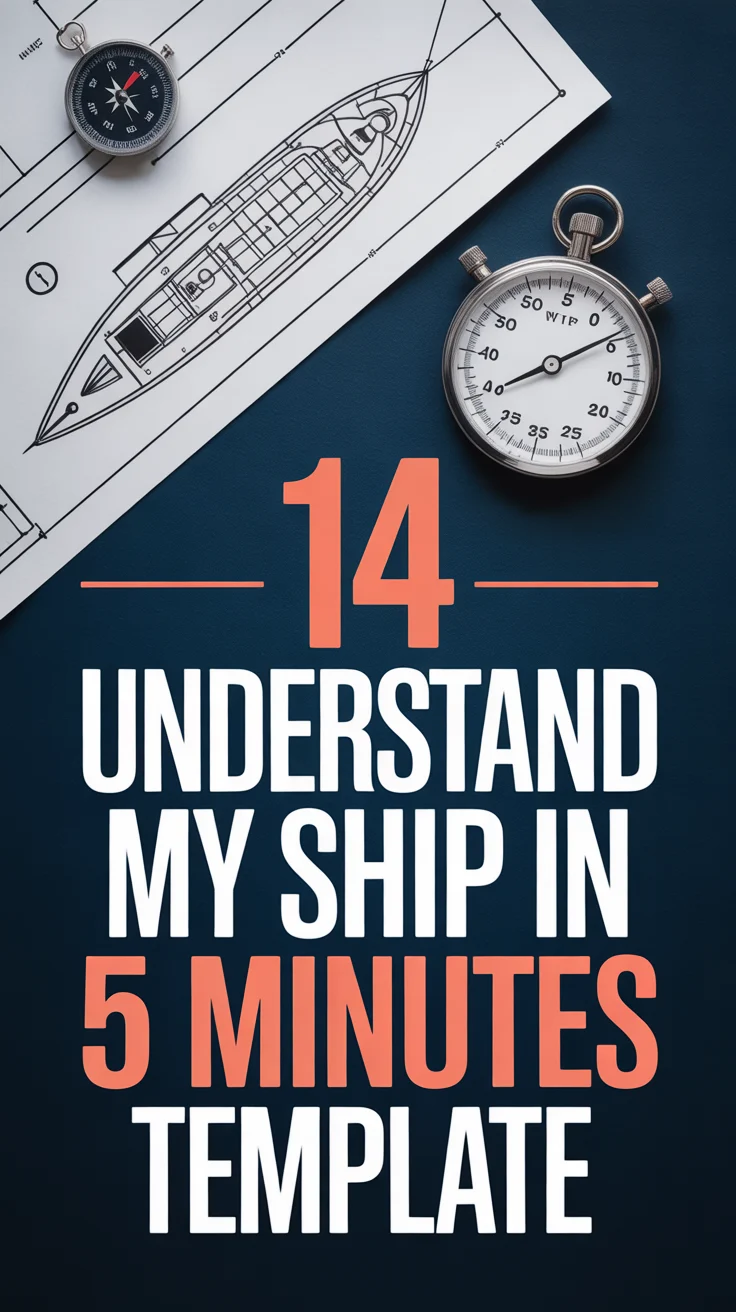
🚢 14 Understand My Ship In 5 Minutes Template
& CRAFT IDEAS
Beginner-friendly tutorials, creative projects,
and weekly inspiration in your inbox.
🛠️ The Ultimate Maker's Toolkit
I've tested thousands of craft tools over the years. Whether you are quilting, crafting, or building mixed-media art, these are the top 5 absolute non-negotiable tools I personally recommend to guarantee professional results.
🪡 SINGER Heavy Duty 4452 Sewing Machine
The sewing community highly recommends this as the ultimate "bulletproof" entry-level machine. Its heavy metal frame powerfully pushes through thick denim and heavy quilt layers that would instantly jam a standard plastic machine.
✂️ Fiskars 8" Orange-Handled Scissors
Never settle for dull dollar-store blades. Wirecutter repeatedly names Fiskars the absolute best all-purpose craft scissor due to its legendary precision-ground blades and an ergonomic grip that prevents hand-cramping.
🔥 Gorilla Dual Temp Hot Glue Gun
Named Wirecutter's top choice because it literally does the work of two tools. It features dual-temperature settings offering low heat for delicate florals and blistering high heat for heavy wood adhesion repairs.
🖌️ Mod Podge Waterbase Gloss Sealer
The absolute undisputed champion of decoupage and paper crafts. Experts rely exclusively on this exact water-based formula because it glues, seals, and finishes beautifully without yellowing or flaking over time.
🎨 Apple Barrel Acrylic Paint (2 oz)
The quintessential, incredibly inexpensive craft paint. Woodworkers and hobby painters swear by its smooth flow and matte finish, providing massive value and remarkably thick color coverage on rough surfaces.
Want a quick, no-drama way to explain your project, product, or actual boat to people who don’t have time? Enter the five-minute template. It’s fast, clean, and surprisingly charming—like a well-packed carry-on. Let’s make your ship crystal clear before the coffee gets cold.
1. Mission Snapshot
Start with the why. In one breath, say who it’s for and what it does. Think elevator pitch, not a novel.
Key points:
- Audience in one line.
- Problem you solve.
- Outcome they get.
Pro tip: Use the formula: For [who], we [do what] so they can [result].
It works because clarity beats clever every time.
2. Quick Specs
Give the essentials without the fluff. Dimensions, timeline, platform—whatever matters most.
Key points:
- 3–5 bullets only.
- Quantify where possible.
- Cut jargon.
Pro tip: If it doesn’t help a decision, ditch it.
People process numbers fast—feed them wisely.
3. The Map
Show how it flows from A to B. A simple path calms chaos.
Key points:
- Start: trigger or input.
- Middle: 3 steps max.
- Finish: success condition.
Pro tip: Use arrows in your slide or a numbered list here.
When people see the route, they relax and follow.
4. Roles at a Glance
Who does what so nothing sinks. Keep it crisp and accountable.
Key points:
- Owner: decision-maker.
- Support: contributors.
- Stakeholders: informed parties.
Pro tip: One owner only. Shared ownership equals no ownership.
Clear roles eliminate “I thought they had it.”
5. Success Metrics
Define what “nailed it” looks like in numbers. Feelings are not a metric.
Key points:
- 1–3 KPIs.
- Timebound targets.
- Source of truth named.
Pro tip: If you can’t measure it weekly, choose a different metric.
Metrics keep you honest and focused.
6. Non‑Goals
What you’re not doing, on purpose. Guard your scope like treasure.
Key points:
- 3 items max.
- Clear exclusions.
- Reason for each.
Pro tip: Phrase as “Not doing X because Y.”
Non-goals prevent “just one more thing” chaos.
7. Risks and Mitigations
Name the icebergs and how you’ll dodge them. Confidence is contingency.
Key points:
- Top 3 risks.
- Likelihood and impact.
- Mitigation plan.
Pro tip: Include an owner for each risk.
It works because surprises belong at birthdays, not in delivery.
8. Timeline Lite
High-level schedule without the Gantt headache. People want dates.
Key points:
- Milestones not tasks.
- Dependencies called out.
- Go/no-go checkpoints.
Pro tip: Use calendar weeks to align expectations fast.
Simple timelines keep momentum real and visible.
9. User Story Snapshot
Make it human. One short story beats five feature lists.
Key points:
- As a [user], I want [action].
- So that [benefit].
- Acceptance in 2 bullets.
Pro tip: Read it out loud. If it sounds robotic, rewrite.
Humans understand humans. Wild concept, we know.
10. Feature Priorities
What ships now versus later. Trade-offs are adulting.
Key points:
- Must-have core.
- Nice-to-have stretch.
- Parking lot for future.
Pro tip: Tie each priority to a metric, not vibes.
Priorities keep the launch lean and sane.
11. Resource Checklist
What you need to move, not dream. No resources, no ship.
Key points:
- People: roles and bandwidth.
- Tools: platforms and access.
- Budget: fast estimate.
Pro tip: Flag blockers in red, owners beside them.
Checklists turn plans into action.
12. Communication Rhythm
How updates happen without inbox meltdowns. Rhythm beats chaos.
Key points:
- Cadence: weekly, biweekly.
- Channel: doc, Slack, standup.
- Audience: who sees what.
Pro tip: Use a single status doc as the source of truth.
Consistent updates build trust and speed decisions.
13. Decision Log
Record big calls so you don’t relitigate them every Tuesday. Peace, at last.
Key points:
- What was decided.
- Why it was chosen.
- Date and owner.
Pro tip: Keep it on page one of your doc for quick scans.
Logs protect momentum and memory.
14. Five-Minute Read Layout
Package it like a pro: scannable, visual, minimal. Respect the clock.
Key points:
- One page or one slide.
- Headers and bold for emphasis.
- White space so eyes can breathe.
Pro tip: Use a 3–5–3 rule: intro, core bullets, close.
Great layout gets your ideas understood, fast.
Conclusion
There you go—your ship, explained in five minutes without anyone needing a compass. Keep it short, sharp, and human, and watch decisions happen faster than a double espresso hits. The right template turns confusion into clarity and plans into progress.
& CRAFT IDEAS
Beginner-friendly tutorials, creative projects,
and weekly inspiration in your inbox.