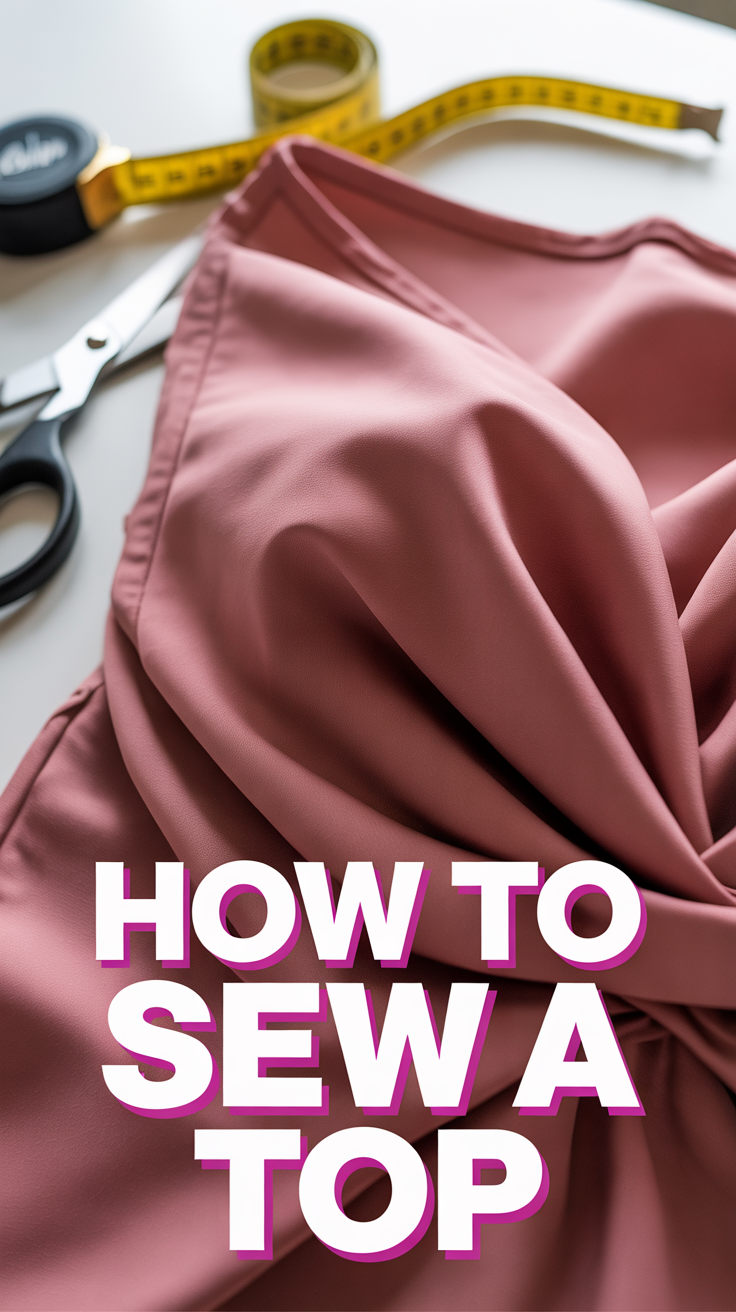
🧵 How To Sew A Top
Ever scroll through your feed, spot a killer top, and then sigh dramatically because, well, fast fashion is kinda bleh and bespoke is out of budget? Girl, same. But what if I told you that you could whip up your own dreamy blouse, tee, or tank without selling a kidney? Yeah, you heard right. Grab your coffee (or kombucha, you trendy thing), because we’re about to dive into the glorious world of making your own threads. Consider this your cheat sheet to becoming a sewing superstar, no prior experience required. Seriously, if you can text, you can sew. Probably.
1. Choosing Your Fabric Wisely
Picking fabric is like choosing your dating app profile pic—it sets the tone. You don’t want something that’s a nightmare to work with on your first go. Stick to stable wovens like cotton lawn, linen, or chambray. They play nice, don’t stretch unexpectedly, and forgive a multitude of rookie sins.
Pro Tip: Hold the fabric up to the light. If you can see through it easily, consider if you want a sheer top or if a lining might be necessary. Nobody wants an accidental peep show unless it’s on purpose.
This step ensures your sewing journey starts on a smooth, less swear-word-filled path.
2. Picking the Perfect Pattern
Think of a pattern as your personal style guide, but for fabric. For beginners, look for patterns labeled “easy” or “beginner-friendly.” Simple shapes like a boxy tee, a camisole, or a basic shift top are your best friends. Avoid anything with a gazillion pieces, zippers, or tricky collars for now.
Pro Tip: Indie pattern companies often have excellent instructions with photos or even video tutorials. They’re basically holding your hand through the whole process, which is exactly what we need.
A good pattern prevents meltdowns and ensures your vision actually comes to life.
3. Gathering Your Tools
You wouldn’t try to bake a cake without a whisk, right? Same energy here. You’ll need a good pair of fabric shears (and promise yourself they’re only for fabric), pins, a seam ripper (your new best frenemy), a measuring tape, and an iron. Oh, and thread that matches your fabric, obviously.
Pro Tip: Invest in decent quality tools from the start. Cheap shears will make you cry, and a dull iron is just sad. Treat yourself, you’re becoming a maker.
Having the right gear makes every step smoother and less frustrating.
4. Prepping Your Fabric
This step is non-negotiable, seriously. You need to pre-wash and dry your fabric just as you would the finished garment. Fabric shrinks, and you definitely don’t want your beautifully sewn top to turn into a crop top for your cat after the first wash.
Pro Tip: Iron your fabric thoroughly after drying. A smooth, wrinkle-free surface is crucial for accurate cutting. Consider it therapy before the real work begins.
Prepping avoids future heartbreak and ensures your top fits perfectly, wash after wash.
5. Cutting Like a Pro
Accuracy is your secret weapon here. Lay your fabric flat and smooth. Pin your pattern pieces down carefully, making sure the grainline arrows on the pattern match the grain of your fabric. Use your sharp fabric shears and cut slowly and steadily. Don’t be a hero and try to freehand it.
Pro Tip: If you’re feeling fancy, a rotary cutter and mat can speed things up and give super precise cuts. Just watch those fingers, they’re important for, you know, living.
Precise cutting is the foundation for a well-fitting and professional-looking top.
6. Understanding Your Sewing Machine
Your sewing machine isn’t a scary monster, it’s your trusty sidekick. Read the manual (yes, really). Learn how to thread it, wind a bobbin, and change the needle. Practice sewing straight lines and curves on scrap fabric before touching your precious project pieces.
Pro Tip: Always use a fresh, sharp needle for each project. A dull needle can snag fabric and cause skipped stitches, which is just rude.
Getting cozy with your machine builds confidence and prevents technical tantrums later on.
7. Mastering Basic Stitches
For most tops, you’ll primarily use a straight stitch and maybe a zigzag stitch for finishing seams. Practice maintaining an even seam allowance—that’s the distance from the edge of your fabric to your needle. Consistency is key to a polished look.
Pro Tip: Use the guides on your machine’s needle plate to keep your seam allowance consistent. Your sewing machine is smarter than you think, use its features.
Solid stitching skills make your garment strong and give it that “store-bought, but better” vibe.
8. Tackling Seams and Hems
Seams are where your fabric pieces come together. Sew them slowly, pin frequently, and press them open or to one side as per your pattern instructions. Hemming is the grand finale for edges, giving your top a clean finish. A simple double-fold hem is perfect for beginners.
Pro Tip: Pressing your seams is almost as important as sewing them. It flattens everything out, making your work look crisp and professional. Don’t skip the ironing board.
Well-executed seams and hems elevate your top from homemade to handmade chic.
9. Adding Details (Necklines, Sleeves)
These are the bits that give your top personality. Necklines often involve attaching a facing or binding. Sleeves can seem intimidating, but most beginner patterns use simple set-in sleeves or cap sleeves. Take your time, pin generously, and ease the fabric gently.
Pro Tip: Clipping curves (making tiny snips into the seam allowance of curved edges) before turning them right side out helps them lie flat and smooth. It’s a game-changer.
Nailing these details makes your top look finished and intentional.
10. Fitting Your Top
This is where the magic happens, or where you discover you accidentally made a top for a giant. Try on your top periodically as you sew (before final seams). Does it feel too tight? Too loose? A little nip or tuck at the side seams can make all the difference. Don’t be afraid to adjust.
Pro Tip: Make a muslin (a practice garment from cheap fabric) if you’re worried about fit or using expensive fabric. It’s like a dress rehearsal for your fashion show.
A custom fit is the ultimate luxury and the biggest perk of sewing your own clothes.
11. Finishing Touches
You’re almost there, superstar! Trim any stray threads, give your top one final, glorious press, and maybe add a cute label if you’re feeling extra. Admire your handiwork. You literally brought fabric to life. Give yourself a pat on the back, or maybe a high-five.
Pro Tip: Consider using a serger if you have one, or a zigzag stitch on your regular machine, to finish raw seam edges. This prevents fraying and makes the inside of your top look just as good as the outside.
These final details transform your project into a truly polished, wearable garment.
12. Troubleshooting Common Issues
Stitches skipping? Check your needle. Fabric bunching? Adjust tension or rethread. Seams wavy? Slow down and guide your fabric more carefully. Don’t let little hiccups derail your progress. Every problem is a learning opportunity, not a sign of failure. Your seam ripper is there for a reason.
Pro Tip: Keep a scrap piece of your project fabric handy to test tension and stitches before sewing on the actual garment. It saves a lot of unpicking later.
Learning to fix problems makes you a more resilient and skilled sewer, ready for anything.
Conclusion
So, you’ve officially conquered the “How To Sew A Top” challenge. Isn’t it wild what you can create with some fabric, a machine, and a little bit of sass? You’re not just wearing a top, you’re wearing a story, a skill, and a seriously cool badge of honor. Go forth, flaunt that handmade masterpiece, and prepare for endless compliments. What’s next on your sewing adventure? A whole wardrobe, probably. You got this!