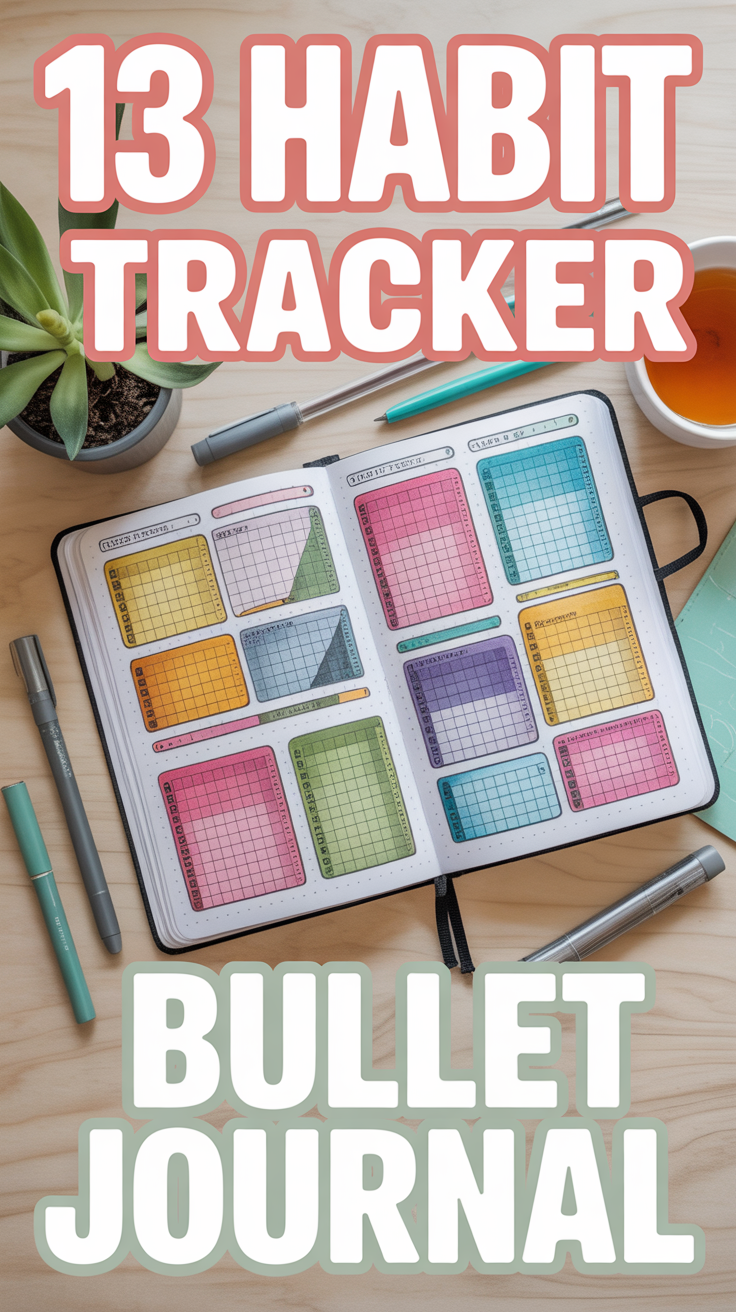
🌱 13 Habit Tracker Bullet Journal
Okay, real talk. We all have those grand plans, right? Like ‘I’m totally going to drink more water’ or ‘This is the year I finally learn to juggle flaming torches.’ (Just me?) The struggle is real, but guess what? Your trusty bullet journal is about to become your secret weapon against forgotten ambitions. We’re diving deep into the art of the habit tracker, because let’s be honest, adulting is hard enough without having to remember to adult.
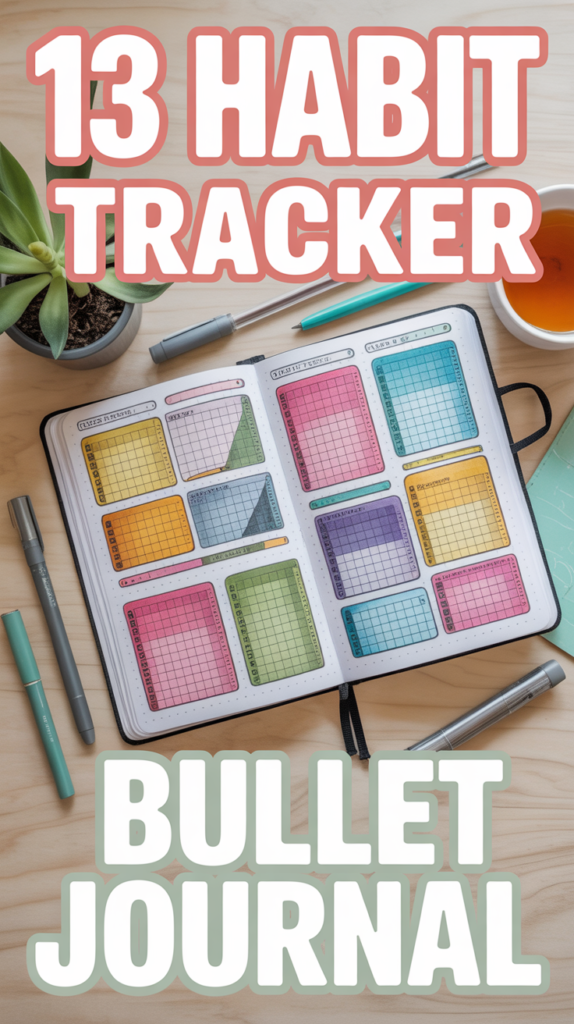
1. The Classic Grid
Sometimes, the OG is still the GOAT. This one’s your bread and butter, a simple grid with days across the top and habits down the side. Just fill in a square when you nail it – satisfying, right? It’s perfect for seeing your progress at a glance, no fancy doodads needed. Use different colored pens for each habit to make your grid pop and instantly identify your strong suits (or where you need a gentle nudge). Super straightforward, low effort, high reward.
2. Monthly Dots
For the minimalist who likes things clean. Instead of big squares, you just have a tiny dot or a small box for each day, arranged by month. A quick flick of the pen is all it takes to mark your success. It takes up less space, leaving more room for your existential doodles. Pick a single, consistent color for your ‘done’ mark to keep the aesthetic super sleek and avoid visual clutter. Quick, subtle, and surprisingly effective for tracking multiple habits without overwhelming your page.
3. Yearly Overview
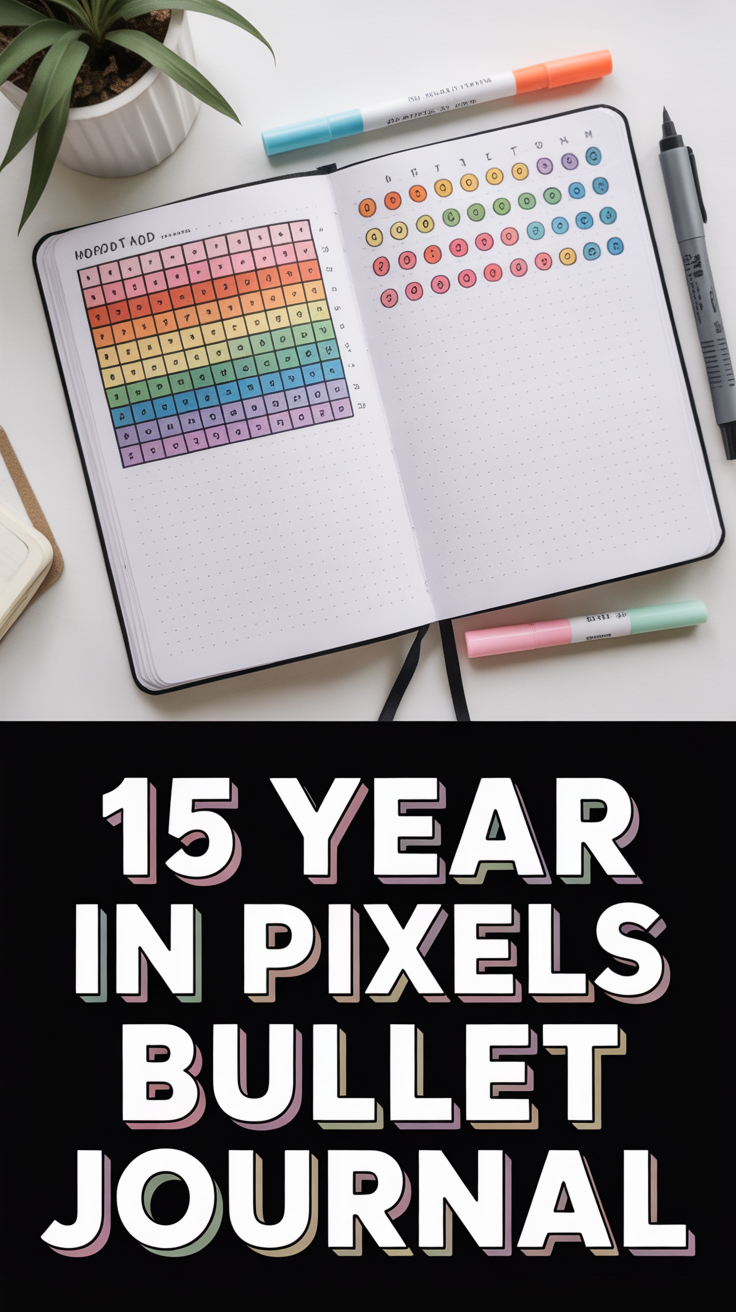
Wanna see your entire year’s worth of dedication on one page? You got it. Create a spread with all 12 months listed, each with 30/31 tiny squares. Pick one or two crucial habits you want to track all year long, like daily meditation or no-sugar days. It’s a powerful visual of your long-term commitment. Use a key for different habits if you’re tracking more than one, perhaps a dot for one and a tiny ‘x’ for another. Reveals incredible patterns over time and gives you major bragging rights to your future self.
4. Mood Meter
Ever wonder if your “I woke up like this” mood is connected to, say, that late-night pizza? Track your mood daily alongside habits like sleep, exercise, or diet. Assign a simple scale (1-5) or use colors for different moods (happy, meh, grumpy). You’ll start noticing fascinating correlations faster than you can say “correlation does not imply causation.” Don’t overthink it; your first gut feeling about your mood is usually the most accurate. Unlocks insights into how your daily actions genuinely impact your mental well-being.
5. Water Bottle Tracker
Hydration is key, but remembering to chug can feel like a full-time job. Draw a cute water bottle (or just a stack of glasses) for each day. Color in a section or a glass every time you refill or hit a hydration goal. It’s a super visual reminder and makes reaching your H2O target feel like a mini-game. Sketch out your target number of glasses beforehand so you know exactly what you’re aiming for. Turns a boring necessity into an engaging, visual quest for optimal hydration.
6. Book Worm Tracker
Reading more is always on the list, but where do those pages go? Create a bookshelf illustration with empty spines, or simply a list of books you want to read. Mark off a spine or add a star for every book completed. You can even track pages read daily if you’re feeling ambitious, turning reading into a tangible achievement. Add a small space next to each book title for a quick star rating or a one-word review to remember your favorites. Provides a satisfying visual record of your literary adventures and encourages consistent reading.
7. Fitness Rings
Channel your inner smart device without the actual smart device. Draw three concentric circles for each day or week, mimicking fitness rings. Assign each ring a goal: one for steps, one for active minutes, one for exercise. Fill in or color a portion of each ring as you hit your targets. Keep the goals realistic for your current fitness level; we’re building habits, not becoming Olympians overnight. Gamifies your fitness journey, making it visually rewarding to close those rings.
8. Sleep Cycle Tracker
Tired of feeling like a zombie? Let’s figure out what’s really happening. Dedicate a section to tracking your sleep – bedtime, wake time, and perceived sleep quality. You might notice patterns, like how that extra hour of Netflix impacts your morning grogginess. It’s like being your own sleep scientist, but without the fancy lab. Add a small icon to note if you had caffeine late or exercised close to bedtime to identify potential sleep disruptors. Empowers you to make informed decisions for better rest and more energetic days.
9. Productivity Punch Card
Ever wish you could just “punch out” those annoying tasks? Design a card with a set number of slots (like an old-school coffee punch card). Each slot represents a small, recurring task you want to complete, like “check emails” or “tidy desk.” Punch (or color) a slot when done. Fill the card, get a reward (mental high-five counts). Keep the tasks on this card super small and achievable, so you always feel like you’re making progress. Breaks down intimidating tasks into manageable, rewarding chunks, boosting your sense of accomplishment.
10. The Level Up
Turn your habit journey into an epic RPG quest. Assign “experience points” to different habits. Drinking water? +5 XP. Meditate for 10 minutes? +10 XP. As you accumulate XP, you “level up” in your journal. You can even draw little character sprites that evolve with your progress. Give yourself a small, non-food reward (like a new pen or a sticker) when you hit a major level-up milestone. Infuses your routine with a playful sense of adventure and continuous growth.
11. Creative Streak
Staring at a blank page is the worst. Let’s make sure that doesn’t happen. If you’re an artist, writer, or musician, dedicate a tracker to your daily creative output. Mark a day if you drew, wrote 100 words, or played an instrument. The goal is consistency, not perfection. A chain of marks creates a powerful visual streak. Don’t pressure yourself for masterpieces; even five minutes of creative play counts towards your streak. Keeps your creative muscles limber and helps you build a consistent practice without the pressure of a grand project.
12. Gratitude Garden
Let’s grow some positivity, one thankful thought at a time. Draw a garden plot. Each day you practice gratitude (maybe jot down three things you’re thankful for), you “plant” a flower, a leaf, or a tiny sprout. Watch your garden flourish with all the good things in your life. Keep your gratitude thoughts simple and genuine; no need for profound revelations every day. Cultivates a positive mindset and makes gratitude a beautiful, visual habit to maintain.
13. No-Spend Tracker
Your bank account called; it misses you. Create a calendar-style tracker where you mark off “no-spend” days. These are days you only spend money on absolute necessities (bills, groceries). It’s incredibly eye-opening to see how many days you can go without impulse buys. Define “no-spend” rules clearly beforehand so there’s no cheating (looking at you, “just one coffee”). Provides a clear visual of your financial discipline and helps curb unnecessary spending.
Conclusion
So there you have it, fellow habit-hacking enthusiast! Your bullet journal isn’t just a pretty notebook; it’s your personal accountability partner, your silent cheerleader, and occasionally, the gentle nag you never knew you needed. Pick a tracker, give it a whirl, and watch your wildest (or just most consistent) dreams come true. Now go forth and conquer those habits, one satisfying checkmark at a time!